Nutrition Facts
Servings: 10 ServingCalories:165kcalTotal Fat:0.5gSodium:350mgPotassium:65mgTotal Carbohydrate:22gDietary Fiber: 1.5gSugars: 0.5gProtein:6gCalcium: 12mg


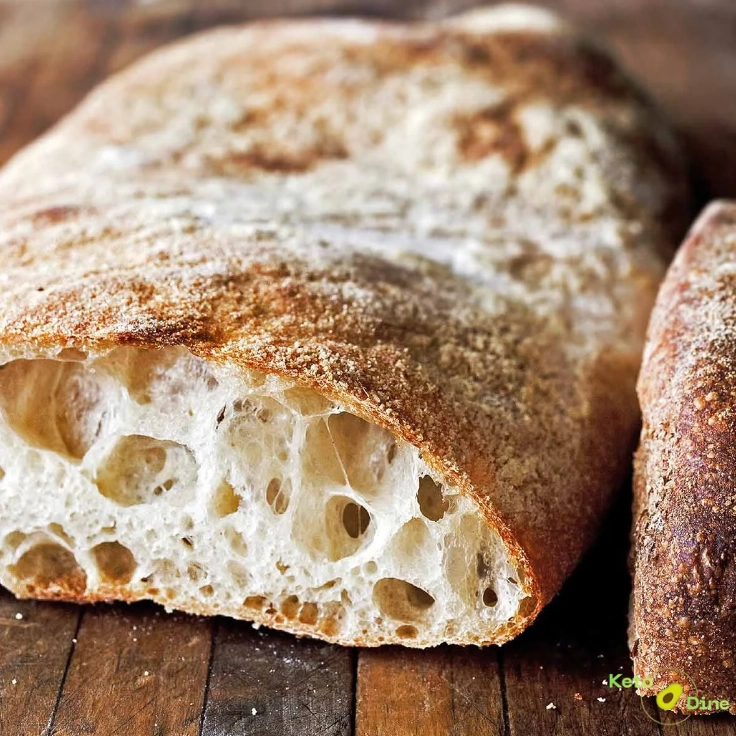
Baking a golden, crisp loaf of bread at home brings pure joy. This classic Italian artisan bread features a deeply golden, crackly crust and an airy, open crumb structure full of beautiful air pockets.
Each bite delivers a mild, savory yeast flavor with a delightfully soft center. Additionally, the satisfying crunch of the outer crust makes it ideal for sandwiches or dipping in extra virgin olive oil. Readers will absolutely love this simple, foolproof approach to baking authentic bakery-style bread right in their own kitchen.
This recipe relies on a high-hydration dough technique that creates that signature open, holey crumb structure. Furthermore, using a long fermentation process develops complex, authentic flavor with minimal active effort. As a result, you get a bakery-quality loaf with incredible texture using basic pantry staples.
Traditional Ciabatta bread uses high-gluten bread flour, making it rich in carbohydrates. Consequently, a standard slice contains roughly 25 to 30 grams of total carbohydrates. Therefore, classic Ciabatta does not fit a strict keto or low-carb lifestyle. However, baking enthusiasts can easily swap traditional flour for vital wheat gluten and almond flour blends to drastically lower net carbs.
Baking fresh artisan loaves fills the entire house with an irresistible, warm aroma. Additionally, the process is incredibly therapeutic and surprisingly easy once you master simple stretch-and-folds. Meanwhile, the versatile loaves pair seamlessly with warm soups, fresh salads, or hearty dinner spreads. Ultimately, achieving that golden, crackly crust at home yields unmatched satisfaction every single time.
I’ve included everything below to make this recipe easy to follow at home. For the full printable recipe instructions and ingredient quantities, scroll to the Recipe card at the bottom of this post.
Bread Flour. High-protein flour provides essential gluten structure. Consequently, it creates those large signature air pockets and a delightfully chewy interior.
Active Dry Yeast. Quality yeast provides rapid rise and traditional bakery flavor. Furthermore, it generates the gas needed for light, airy loaves.
Fine Sea Salt. Salt strengthens the gluten network while balancing yeast growth. Additionally, it enhances the savory wheat flavor throughout the dough.
Warm Water. Pure water hydrates the flour to form a sticky, pliable dough. Meanwhile, proper water temperature activates the yeast effectively.
I’ve included everything below to make this recipe easy to follow at home. For the full printable recipe instructions and ingredient quantities, scroll to the Recipe card at the bottom of this post.
Pro Tip: Place a cast-iron skillet on the bottom oven rack during preheating. Next, toss half a cup of ice cubes into the skillet right after loading your loaves. As a result, the trapped steam produces an extraordinarily crisp, crackly crust.
Keep leftover bread in a paper bag at room temperature for up to 3 days. Avoid plastic bags because they soften the crispy crust. Alternatively, wrap sliced bread tightly in foil and freeze for up to 3 months. Reheat frozen slices directly in a warm oven at 350°F (175°C) for 8 minutes to restore crispness.
Master authentic artisan bread baking at home with this simple, step-by-step Ciabatta recipe. High hydration and gentle folding techniques create the signature holey interior and golden outer shell. Impress your family with fresh, warm bakery-style bread straight from your oven.
Servings: 10 ServingCalories:165kcalTotal Fat:0.5gSodium:350mgPotassium:65mgTotal Carbohydrate:22gDietary Fiber: 1.5gSugars: 0.5gProtein:6gCalcium: 12mg
Store leftover loaves at room temperature in paper bags to maintain crust integrity. Reheat individual slices in a 350°F (175°C) oven or toaster to restore signature crispness. Additionally, freeze sliced loaves in airtight freezer bags for up to three months. Avoid refrigerating bread because cold environments accelerate starch crystallization and cause staling.