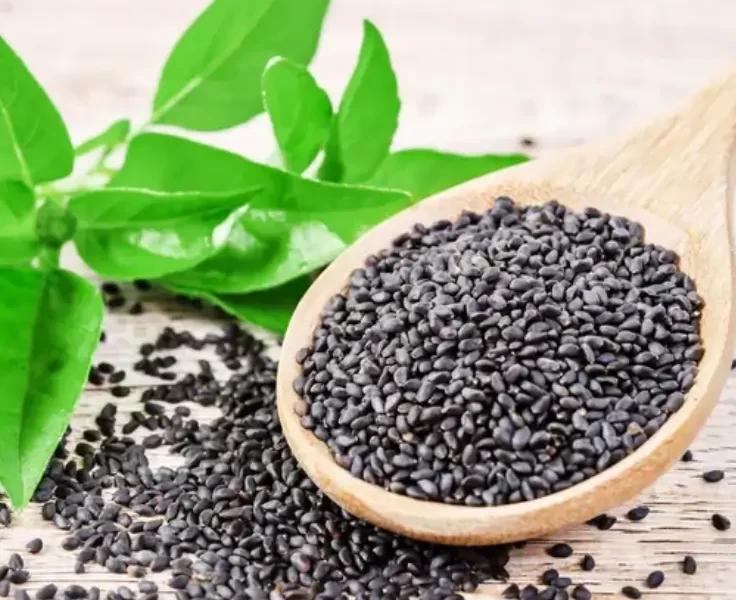
When we talk about dietary staples, common names like chia, flax, and hemp often dominate the conversation. But a powerhouse from ancient culinary and medicinal traditions, basil seeds, is quietly making a significant impact on modern health and wellness. You might have seen them floating in refreshing drinks like Falooda, creating a unique gel-like texture, but these tiny black seeds are much more than a texture enhancer. Let’s delve into the scientifically grounded, empathetic, and authoritative reasons why you should consider making basil seeds a regular feature in your diet.
A Nutritional Powerhouse
I often tell my clients, “Don’t let size fool you when it comes to nutrition.” This is especially true for basil seeds. While physically tiny, they are nutritionally dense, packed with components that support a variety of critical body functions. Their ability to absorb multiple times their weight in water creates a gel that is both satisfying and beneficial. Let’s break down exactly what makes them a health hero:
Unpacking the Nutrient Profile
1. Exceptional Fiber Content: Fiber is the true superstar here. A single tablespoon of basil seeds provides about 7 grams of high-quality fiber, which is nearly 30% of the recommended daily intake for adults. As a nutritionist, this is the first thing I highlight because it has cascading benefits for digestion, gut health, and beyond. This fiber is predominantly soluble, which is crucial for its distinct effects.
2. Plant-Based Omega-3 Fatty Acids: While fatty fish is a primary source of omega-3s, basil seeds are an excellent plant-based source. Specifically, they contain alpha-linolenic acid (ALA). A tablespoon provides roughly 1,200 milligrams of ALA, meeting or exceeding your daily need for this essential anti-inflammatory fatty acid. This is particularly important for heart health and cognitive function.
3. Essential Minerals: They are a potent source of several key minerals. A typical tablespoon can contain significant percentages of your Daily Value (DV) for:
- Calcium: Supports bone strength and density. (Around 15% DV)
- Magnesium: Critical for hundreds of biochemical reactions, including muscle function, nerve signaling, and energy production. (Around 10% DV)
- Iron: Essential for oxygen transport and energy levels. (Around 10% DV)
4. Rich in Antioxidants: Like their whole-leaf counterparts, basil seeds are rich in plant compounds, particularly flavonoids and other polyphenols. These serve as powerful antioxidants, scavenging free radicals that can damage cells and lead to chronic conditions. While specific amounts vary, their overall antioxidant capacity is robust.
Key Health Benefits
- Helps in weight loss: The immense soluble fiber content is the key. When soaked, basil seeds expand and form a thick gel. In your stomach, this slows down digestion and delays emptying, promoting a strong feeling of fullness (satiety). Consuming a drink with soaked basil seeds before a meal is a gentle, natural way to reduce overall calorie intake by helping you manage portion sizes effectively. It’s not a magic pill, but an excellent tool for appetite control.
- Controls blood sugar levels: Again, fiber is the hero. The same slowing of digestion slows the breakdown of carbohydrates and the absorption of sugar into the bloodstream. This prevents post-meal insulin spikes, which is a game-changer for people managing pre-diabetes or type 2 diabetes. Studies, particularly on people with type 2 diabetes, have shown that consuming basil seeds can improve glycemic control over time.
- Reduces body heat: This is a classic Ayurvedic benefit and less “scientifically grounded” in conventional modern terms, but widely experienced. The traditional wisdom is that the gel, when consumed, has a “cooling” or calming effect on the digestive tract. In regions with very hot climates, soaking them in drinks is a long-held strategy to provide a refreshing and internal temperature-regulating effect.
- Improves metabolism: The presence of both soluble fiber (which feeds beneficial gut bacteria, influencing overall metabolic health) and essential minerals like magnesium (a cofactor for energy production) contribute to supporting a healthy, efficient metabolic process. A healthy, diverse gut microbiome is increasingly linked to optimized metabolic function.
The Expert Voice: Historical and Modern Insight
I often look to both traditional medicine systems and contemporary research to build a complete wellness picture. Historically, basil seeds were not just a food item; they were a trusted element in systems like Ayurveda and Traditional Chinese Medicine.
We can draw wisdom from an ancient Ayurvedic proverb that states: “What you consume creates your consciousness and your body.” While they didn’t have microscopes to see the fiber, they clearly recognized that incorporating items like basil seeds could create a balanced and resilient body. Modern research is simply catching up, validating the observations of generations of practitioners who witnessed the healing and supportive properties of these plants.
How to Use Basil Seeds
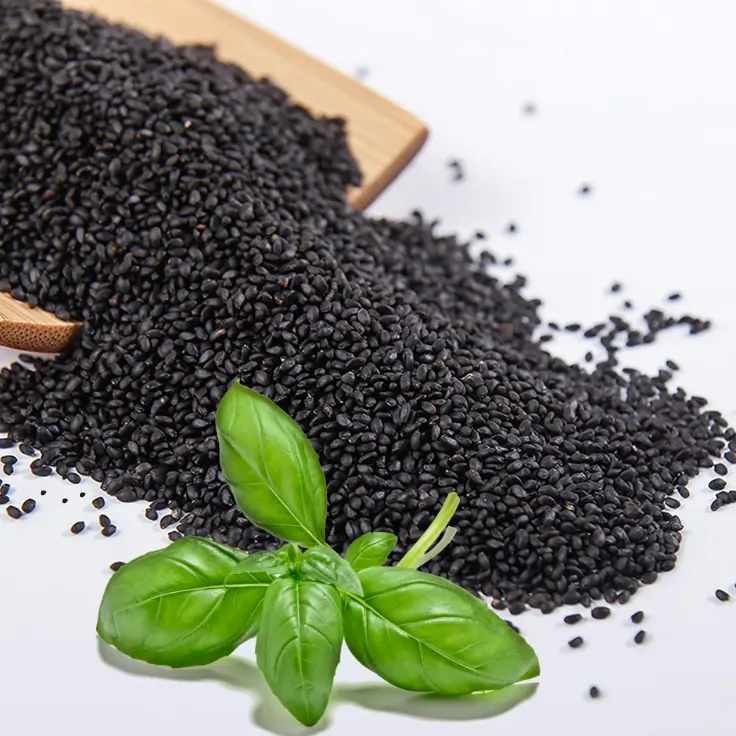
Unlike chia seeds, which can be eaten whole or soaked, basil seeds absolutely must be soaked before consuming. Their unique benefit is their quick, gelatinous expansion. They cannot be eaten dry; this is a safety and effectiveness point.
How to Hydrate Them:
- Take 1-2 tablespoons of dry basil seeds.
- Add to about 1 cup (8 oz) of water or another liquid of your choice (coconut water, milk, juice).
- Let sit for just 15-30 minutes. You will see them swell into little black pearls surrounded by a transluscent grey gel, similar to tadpoles (a visual that can be fun for kids!). They will be fully hydrated and soft.
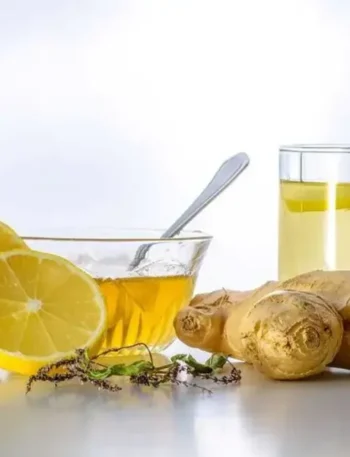
The Simplest Use-Case: Lemon-Honey Water
This is the easiest and most common way to start your day with basil seeds:
Ingredients:
- 1 tbsp soaked, hydrated basil seeds (prepared as above)
- 1 glass of lukewarm water
- Juice of half a fresh lemon
- 1 tsp raw honey (or sweetener of choice), optional
Instructions: Stir all components together and drink. The flavor is very neutral, with just a hint of a floral/herbal basil-like note, making it easy to incorporate into almost anything.
More Ideas for Your Recipes:
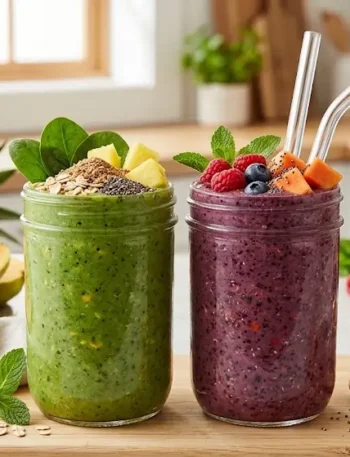
- Add to Smoothies: A perfect thickener. Just add the soaked gel into your blender along with fruit, greens, and protein.
- Upgraded Beverages: Stir them into iced teas, homemade lemonade, or coconut water for a refreshing and hydrating twist.
- Yogurt and Oatmeal Top-ups: Sensationally textured addition to your morning bowl.
- Traditional Pudding (Falooda style): Look up recipes for Falooda to learn how to layer them in a dessert with milk, vermicelli, ice cream, and rose syrup for a special treat.