
 View Gallery
1 photo
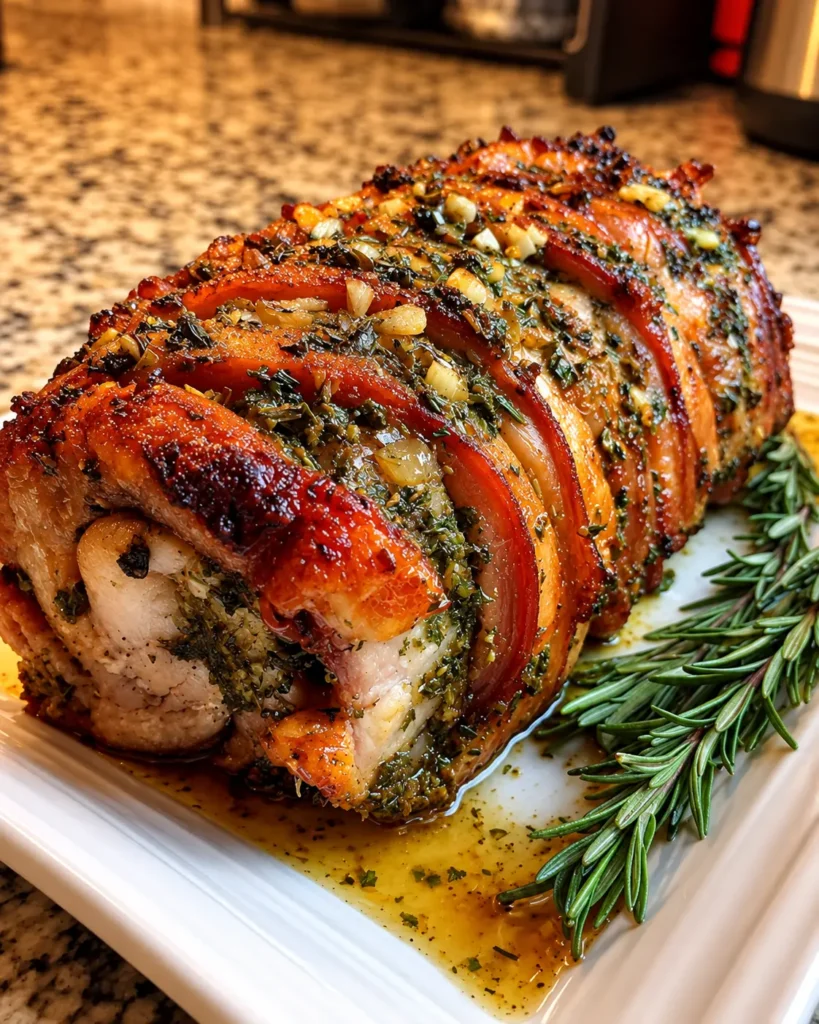
This keto porchetta recipe brings Italian-inspired flavor straight to your dinner table. Juicy pork, crispy golden skin, fresh rosemary, garlic, and fragrant herbs create a mouthwatering combination. Best of all, this low-carb pork roast makes an impressive centerpiece without complicated ingredients. Serve it for Sunday dinner, holidays, or a special family gathering. With its savory crust and tender interior, every slice feels like a restaurant-quality meal.
Why Make My Porchetta?
- Big Italian flavor: Garlic, rosemary, and herbs create a deeply savory crust.
- Crispy, golden exterior: Proper roasting helps render the pork fat for deliciously crisp skin.
- Keto-friendly ingredients: Pork, olive oil, garlic, and herbs keep the recipe naturally low in carbohydrates.
- Perfect for special occasions: Serve this impressive roast at holiday dinners or family celebrations.
- Great for leftovers: Slice the remaining pork for salads, lettuce wraps, or quick low-carb lunches.
- No complicated seasoning: Simple pantry ingredients deliver a wonderfully aromatic roast.
Does Porchetta Fit a Keto Lifestyle?
Traditional porchetta can fit a keto lifestyle because pork, herbs, and cooking oils contain very few carbohydrates. This recipe uses garlic, rosemary, thyme, olive oil, and simple seasonings. These ingredients add plenty of flavor without requiring sugary sauces or bread-based fillings. A serving may contain around 1–3 grams of net carbs, depending on the ingredients and portion size. For the best low-carb results, avoid sweet glazes and check any packaged seasonings.
Why I Make This Porchetta on Repeat
Porchetta is one of those dishes that makes an ordinary dinner feel special. I love how garlic and rosemary perfume the kitchen while the pork slowly roasts. The contrast between tender meat and crisp, flavorful edges makes every slice satisfying. Plus, the leftovers are easy to turn into another delicious meal. It’s a wonderful option when I want something comforting, elegant, and keto-friendly.
Why This Recipe Is Special
- Italian-inspired taste: Rosemary, garlic, and thyme give the pork a classic aromatic flavor.
- Wonderful texture: Slow roasting helps tenderize the meat while high heat crisps the skin.
- Naturally low-carb: The main ingredients fit easily into many keto meal plans.
- Ideal for sharing: A whole pork roast makes a beautiful centerpiece for gatherings.
- Flexible serving options: Pair it with roasted low-carb vegetables or a fresh green salad.
My Personal Experience
– The herbs make a difference. Fresh rosemary and garlic give the pork a bold aroma. They also complement its rich, savory flavor without needing a heavy sauce.
– Patience improves the texture. Giving the pork enough time to roast helps the meat become tender. Finishing with high heat encourages a crisp, golden exterior.
– Resting keeps the slices juicy. Letting the roast sit before carving allows its juices to settle. As a result, the slices are less likely to dry out on the cutting board.
– Leftovers are surprisingly versatile. Thin slices work beautifully in lettuce wraps or alongside eggs. You can also serve them with cauliflower mash for another low-carb dinner.
Perfect For
- Sunday family dinners: Serve thick slices with roasted vegetables for a hearty meal.
- Holiday gatherings: Porchetta makes an impressive centerpiece for festive tables.
- Keto meal planning: Prepare the roast ahead and portion leftovers for several meals.
- Dinner parties: Its golden crust and aromatic herbs create a memorable presentation.
- Low-carb lunches: Use leftover pork in salads, lettuce wraps, or simple vegetable bowls.
Why You’ll Love This Recipe
– Rich, savory flavor: Garlic, rosemary, and thyme season the pork from the outside in. Every bite delivers a delicious blend of herbs and roasted meat.
– Crispy skin with tender pork: A dry surface and properly controlled oven heat help create crisp skin. Meanwhile, the center stays moist when cooked to the correct temperature.
– Simple, familiar ingredients: You won’t need specialty keto products or complicated sauces. Instead, everyday herbs and seasonings provide plenty of character.
– Excellent for meal prep: Roast once and enjoy the leftovers in several different ways. This also makes busy weeknight meals easier to assemble.
– Easy to customize: Adjust the herbs to suit your taste or add a little chili for warmth. Just avoid sugary seasonings if you’re keeping the dish low-carb.
– A beautiful dinner centerpiece: The browned exterior and fresh herb garnish look impressive on a serving platter. It’s a practical way to make a home-cooked meal feel celebratory.
Key Ingredients
I’ve included everything below to make this recipe easy to follow at home. For the full printable recipe instructions and ingredient quantities, scroll to the Recipe card at the bottom of this post.
Pork Belly or Skin-On Pork Roast. Pork belly is my preferred choice for rich flavor and crisp skin. For a leaner center, you can roll it around a pork loin, which is common in traditional porchetta.
Fresh Rosemary. Rosemary adds a piney, earthy aroma that pairs beautifully with roasted pork. Fresh sprigs also make an attractive garnish.
Fresh Garlic. Garlic gives the seasoning a deep, savory flavor. Mince it finely so it spreads evenly across the meat.
Fresh Thyme. Thyme adds a subtle herbal note that balances the richness of the pork. Dried thyme works too when fresh herbs aren’t available.
Extra-Virgin Olive Oil. A little olive oil helps the herb mixture coat the meat evenly. Use it sparingly because pork belly already contains plenty of fat.
Fennel Seeds. Fennel provides a distinctive, slightly sweet anise flavor often associated with Italian porchetta. Crush the seeds lightly to release their aroma.
Lemon Zest. Lemon zest brightens the seasoning and balances the rich pork flavor. Avoid adding too much juice to the skin because moisture can interfere with crisping.
Salt. Salt seasons the meat and helps draw moisture from the skin. For the crispiest result, season the skin in advance and leave the roast uncovered in the refrigerator.
Black Pepper. Freshly ground black pepper adds gentle heat and depth. It complements the garlic and herbs without overpowering them.
Red Pepper Flakes. These are optional but useful if you enjoy a little heat. A small pinch adds warmth without significantly changing the carbohydrate count.
How to Make Porchetta and One Pro Tip
I’ve included everything below to make this recipe easy to follow at home. For the full printable recipe instructions and ingredient quantities, scroll to the Recipe card at the bottom of this post.
Step 1 – Prepare the pork. Pat the pork belly or skin-on pork roast thoroughly dry with paper towels. If using a rolled roast, open it carefully and score the meat side lightly without cutting through the skin.
Step 2 – Make the herb seasoning. Combine minced garlic, chopped rosemary, thyme, crushed fennel seeds, black pepper, salt, and olive oil in a small bowl. Add lemon zest and optional red pepper flakes for extra flavor.
Step 3 – Season the meat. Rub the herb mixture over the exposed meat side, keeping most of it away from the outer skin. Roll the pork tightly with the skin facing outward, then secure it with kitchen twine if needed.
Step 4 – Dry the skin. Place the roast uncovered in the refrigerator for several hours, preferably overnight. This step helps remove surface moisture and improves the chances of achieving crispy skin.
Step 5 – Preheat the oven. Heat the oven to 450°F (230°C). Place the roast on a rack inside a roasting pan, with the skin facing upward.
Step 6 – Start roasting. Roast for 25–30 minutes until the exterior begins to brown. Watch closely because the exact browning time depends on the thickness and shape of the roast.
Step 7 – Lower the heat. Reduce the oven temperature to 325°F (165°C). Continue roasting for approximately 2½–3½ hours, depending on the size and cut of the pork.
Step 8 – Check doneness. Insert a meat thermometer into the thickest part of the meat, avoiding large pockets of fat. For a pork roast, follow a safe minimum internal temperature of 145°F (63°C), followed by at least a 3-minute rest; tougher, rolled pork belly may need additional cooking to become tender.
Step 9 – Crisp the skin if needed. If the meat is tender but the skin isn’t crisp, increase the oven temperature to 450°F (230°C) for a short finishing period. Watch continuously to prevent burning.
Step 10 – Rest and carve. Remove the porchetta from the oven and let it rest for 15–20 minutes. Remove the twine, then slice with a sharp knife and serve with the flavorful pan juices.
Pro tip: Dry skin is the secret to better crackling. Refrigerate the seasoned roast uncovered overnight, and keep wet herb paste on the meat side rather than the skin.
Common Mistakes to Avoid
- Leaving the skin damp: Moisture prevents proper crackling. Dry it thoroughly and refrigerate the roast uncovered before cooking.
- Adding too much seasoning to the skin: Wet garlic and herb paste can burn during high-heat roasting. Keep most of the mixture on the meat side.
- Roasting at high heat for too long: The outside can darken before the center cooks properly. Start hot, then reduce the temperature for slower roasting.
- Slicing too soon: Cutting immediately can release valuable juices. Rest the pork before carving to improve its texture.
Required Equipment
- Roasting pan: Collects flavorful drippings and makes oven roasting easier.
- Roasting rack: Allows hot air to circulate around the pork for more even cooking.
- Meat thermometer: Helps you check the internal temperature accurately.
- Sharp chef’s knife: Makes it easier to score the pork and slice the finished roast.
- Kitchen twine: Keeps a rolled porchetta securely shaped during roasting.
- Small mixing bowl: Makes combining the garlic, herbs, oil, and spices simple.
- Paper towels: Remove surface moisture so the skin has a better chance of crisping.
Caleb’s Recipe Tips
– Dry the skin ahead of time. If you can, prepare the pork the day before and leave it uncovered in the refrigerator. This simple step makes a big difference when you’re aiming for crackling.
– Crush the fennel seeds. Lightly crush them with a mortar and pestle or the bottom of a sturdy pan. You’ll release more aroma than you would by adding the seeds whole.
– Keep the skin clean. Garlic and fresh herbs taste wonderful, but they can darken too quickly on the outside. Spread the herb mixture over the meat and keep the skin as dry as possible.
– Use a thermometer rather than the clock alone. Different cuts and shapes cook at different speeds. Check the thickest part so you can judge doneness without guessing.
– Adjust the final heat carefully. If the skin needs more color, finish with a short blast of high heat. Stay nearby because crackling can go from golden to burnt quickly.
– Save the pan juices. Spoon a little over the sliced pork just before serving, keeping the skin above the liquid. That way, you add flavor without making the crackling soggy.
Storage Instructions
Refrigerator: Let leftover porchetta cool slightly, then refrigerate it within two hours of cooking. Store the sliced pork in an airtight container for 3–4 days at 40°F (4°C) or below.
Freezer: Freeze portions in airtight freezer-safe containers or tightly wrapped freezer bags for about 2–3 months for best quality. Label each portion with the date so you can use older leftovers first.
Reheating: Warm slices in a 325°F (165°C) oven until heated through. To revive the crackling, finish briefly at a higher temperature while watching carefully. A microwave is convenient for the meat, but it will soften the skin.
Keto-friendly serving tip: Pair leftovers with cauliflower mash, sautéed cabbage, or roasted zucchini. Avoid sweet sauces if you want to keep the meal low-carb.
This Porchetta Is the Crispy, Herb-Roasted Pork Dinner Worth Making
Description
This Italian-inspired porchetta features rich pork seasoned with garlic, rosemary, thyme, and fennel. Slow roasting creates tender meat, while a final burst of high heat helps crisp the outer skin. Serve it with low-carb vegetables for a satisfying keto dinner.
Ingredients
Instructions
- Prepare the pork: Pat the pork completely dry with paper towels. If using a flat cut, score the meat side lightly and avoid cutting through the skin.
- Mix the seasoning: In a bowl, combine olive oil, garlic, rosemary, thyme, fennel seeds, salt, pepper, lemon zest, and optional red pepper flakes.
- Season and roll: Spread the mixture over the meat side, keeping the skin mostly free of wet seasoning. Roll tightly with the skin facing outward and tie with kitchen twine if necessary.
- Refrigerate uncovered: Place the roast on a rack in the refrigerator for 8–12 hours, or overnight. This helps dry the skin for better crackling.
- Preheat the oven: Set the oven to 450°F (230°C). Place the pork on a roasting rack, skin-side up, with a pan underneath to catch the drippings.
- Roast at high heat: Cook for 25–30 minutes until the exterior starts to brown. Keep an eye on the skin to prevent excessive darkening.
- Continue at a lower temperature: Reduce the oven to 325°F (165°C). Roast for approximately 2½–3½ more hours, adjusting for the cut, shape, and size.
- Check the internal temperature: Use a thermometer in the thickest part of the meat. Whole pork roasts should reach at least 145°F (63°C), followed by a 3-minute rest; pork belly may require extra cooking for a softer, more tender texture.
- Crisp the skin: If necessary, finish at 450°F (230°C) for a few minutes. Watch carefully until the skin is golden and crisp.
- Rest and serve: Rest the roast for 15–20 minutes before removing the twine and slicing. Serve warm with pan juices and your favorite keto-friendly sides.
Nutrition Facts
Servings: 8 ServingCalories:750kcalTotal Fat:65gCholesterol:145mgSodium:700mgPotassium:350mgTotal Carbohydrate:2gSugars: 0.3gProtein:35gCalcium: 25mg
Note
Storage: Refrigerate leftovers promptly in airtight containers for 3–4 days, or freeze for 2–3 months for best quality.
Reheating: Warm in the oven until the center reaches 165°F (74°C) for reheated leftovers. Finish with high heat to help crisp the skin.
Allergy notes: This recipe is naturally dairy-free, egg-free, and gluten-free when all seasonings are verified gluten-free.
Flavor boost: Add extra crushed fennel seeds, rosemary, or lemon zest to customize the seasoning.
Serving suggestion: Pair with roasted cauliflower, garlic green beans, or sautéed cabbage for a delicious low-carb meal.
Pin this recipe to share with your friends and followers.

Frequently Asked Questions
What cut of pork is best for porchetta?
Skin-on pork belly is ideal for rich flavor and crackling, while pork belly rolled around pork loin creates a traditional combination of crisp skin and a leaner center.
How do I get crispy porchetta skin?
Dry the skin thoroughly, refrigerate the roast uncovered overnight, and finish with high heat if needed.
Is porchetta keto-friendly?
Yes, traditional porchetta made with pork, herbs, and simple seasonings is naturally low in carbohydrates when prepared without sugary sauces.
Can I prepare porchetta the day before?
Yes, season and tie the roast a day ahead, then refrigerate it uncovered to help dry the skin.
How do I know when porchetta is cooked?
Use a meat thermometer to check the thickest section, following safe temperature guidance while allowing additional cooking when needed for tender pork belly.